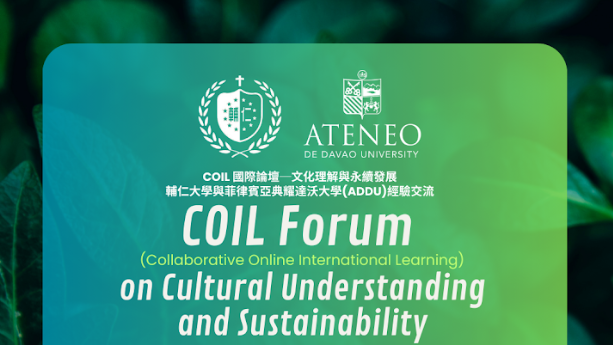



2025 COIL International Forum: Cultural Understanding and Sustainable Development Academic Exchange between Fu Jen Catholic University and Ateneo de Davao University
XPlorer Project: Competency-based Learning Innovation in Higher Education
MOE Written by Kate Chi-wen Liu and Lola Yu-chi Hsiao, Project Investigator and Full-time Assistant
COIL: Collaborative Online International Learning
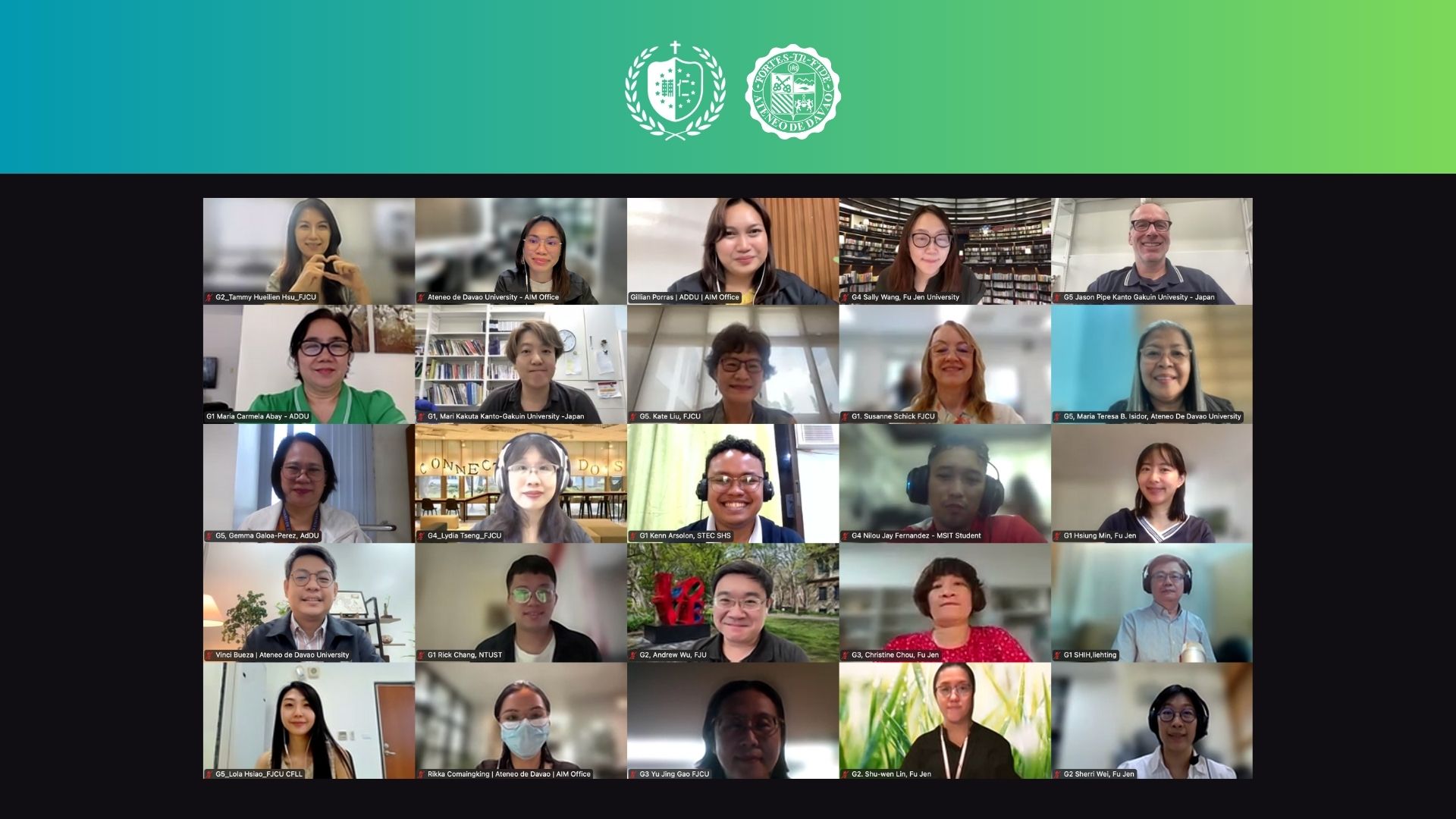
Jointly organized by the College of Foreign Languages and Literatures at Fu Jen Catholic University and the Internationalization for Mindanao Office at Ateneo de Davao University, the "2025 COIL International Forum: Cultural Understanding and Sustainable Development" was successfully held via Zoom on July 16, 2025. The event brought together educators from various fields across Taiwan, the Philippines, and Japan for an in-depth dialogue on intercultural understanding and sustainable development.
The forum featured keynote speakers from Fu Jen Catholic University (two from the Department of English, one from the Department of German Language and Literature, and one from the Department of Textiles and Clothing) and Ateneo de Davao University (the Director of the International Office and the Chair of the Theology Department). Discussions focused on COIL methodology, pedagogical practices, intercultural experiences, and the advancement of Sustainable Development Goals (SDGs). By sharing case studies across different nations and disciplines, the speakers aimed to foster mutual learning, advocate for sustainable practices, and highlight the potential for academic research to inspire further scholarly engagement. Beyond the formal presentations, participants engaged in breakout sessions designed to facilitate networking and reflection, further strengthening the foundation for future collaboration.
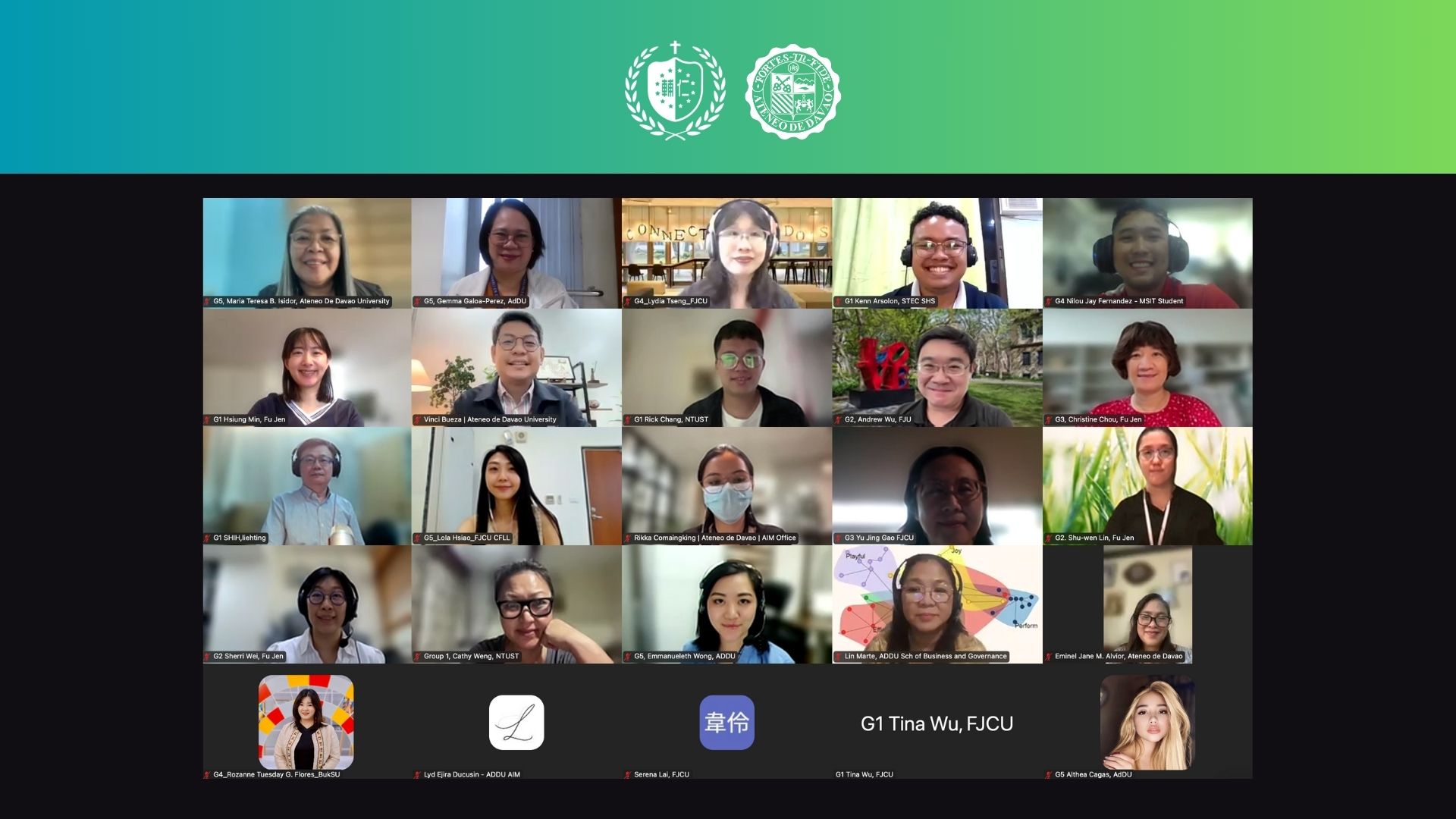
COIL 1: Simple, Low-Cost, Cultivating Global Literacy, and Promoting Sustainable Practices and Knowledge
COIL facilitates intercultural exchange and collaborative learning through online platforms, enabling international course integration and joint project presentations. It emphasizes the development of students' international perspectives, intercultural understanding, and cross-disciplinary collaboration skills. Both students and faculty can interact with international peers from their home campuses without the need for travel.
There are various ways to implement COIL: faculty may co-teach, students may learn together, and projects may introduce local cultures or community revitalization efforts. Typically, these modules are limited to one-third of a semester; collaborating instructors first decide on a mono-disciplinary or cross-disciplinary partnership before establishing a timeline. As long as participants have an appropriate online environment and the willingness to communicate, COIL can expand international learning opportunities while enhancing students': 1. Global awareness and intercultural competence, 2. Language proficiency and communication skills, and 3. Problem-solving and teamwork abilities. Furthermore, COIL serves as a platform for educators to transcend borders and innovate teaching, offering limitless possibilities for the global common good.
COIL 2: International Collaboration and Sharing Insights and Achievements in Intercultural Teaching and Research
The forum opened with an introduction by Hannah Mahinay from ADDU, followed by opening remarks from the presidents of both universities. Dr. Francis Yi-Chen Lan, President of FJCU, and Fr. Karel S. San Juan, SJ, President of ADDU, both emphasized that COIL pedagogical practices create more learning possibilities. They noted that through the sharing of faculty experiences and the active participation of scholars, truly meaningful international cooperation is realized. Following this, Sir Vinci Bueza from ADDU provided an overview of COIL and its mechanisms, highlighting the core spirit of the forum.
Four scholars from diverse fields shared their experiences and insights into COIL course design and pedagogical implementation. Professor Susanne Schick introduced three collaboration models used by the FJCU Department of German Language and Literature to promote intercultural exchange, demonstrating the diversity and flexibility of their curriculum. Professor Tammy Hsu (FJCU Department of English) and Professor Joe Chan (FJCU Department of Textiles and Clothing) shared a USR project that integrates language learning with sustainable textile design, fostering international dialogue and social engagement through empathy and cross-disciplinary collaboration. Professor Lydia Tseng (FJCU Department of English) presented a teaching case study using the ORID discussion strategy for COIL course design to enhance students' intercultural communication literacy and awareness of sustainable development issues. Professor Roawie Quimba (Chair of the Theology Department at ADDU) shared how COIL is integrated into theology courses to guide students in addressing challenges arising from religious differences, emphasizing the importance of inclusivity and pluralistic understanding.
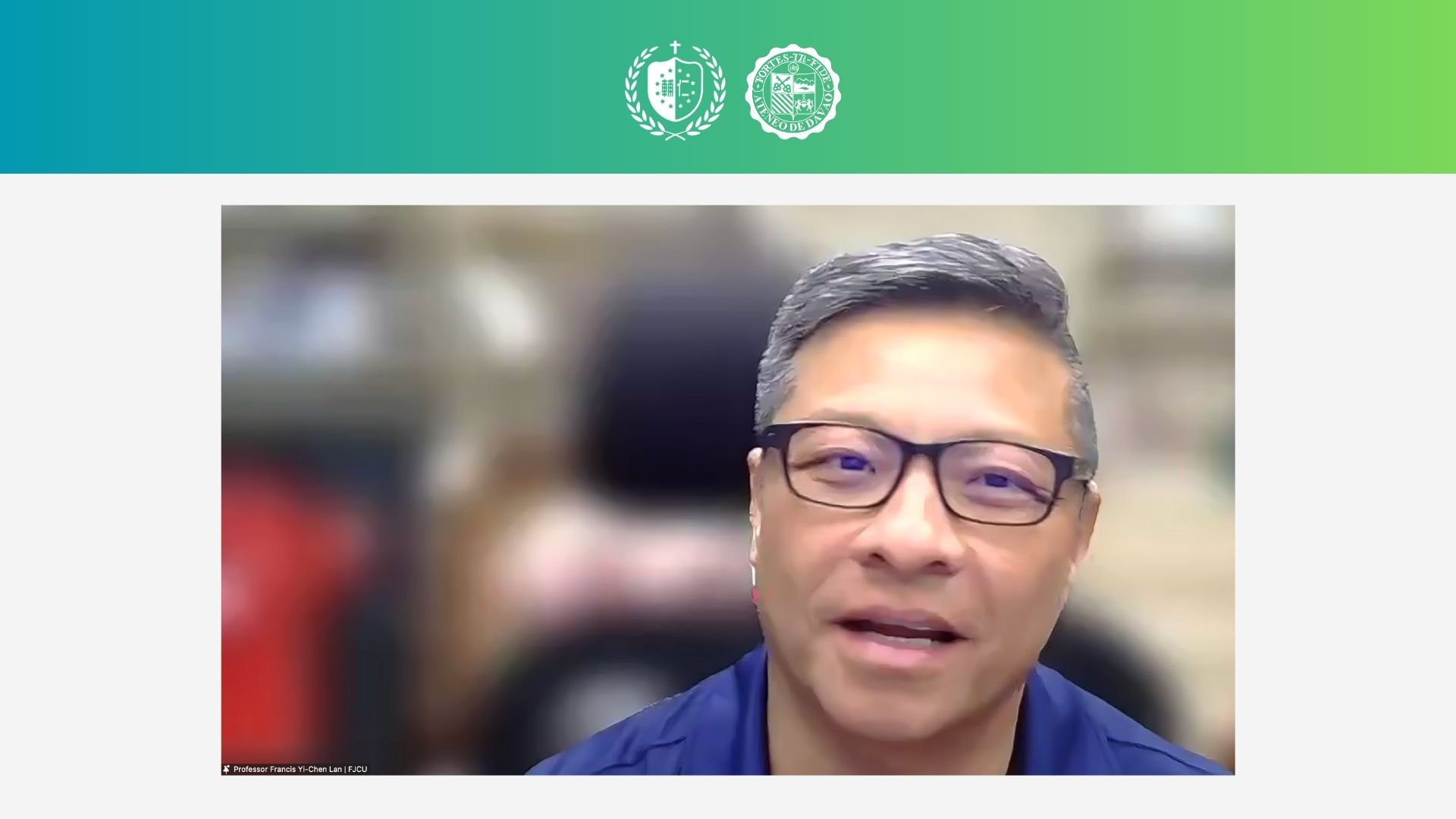
Opening Remarks by Dr. Francis Yi-Chen Lan, President of Fu Jen Catholic University
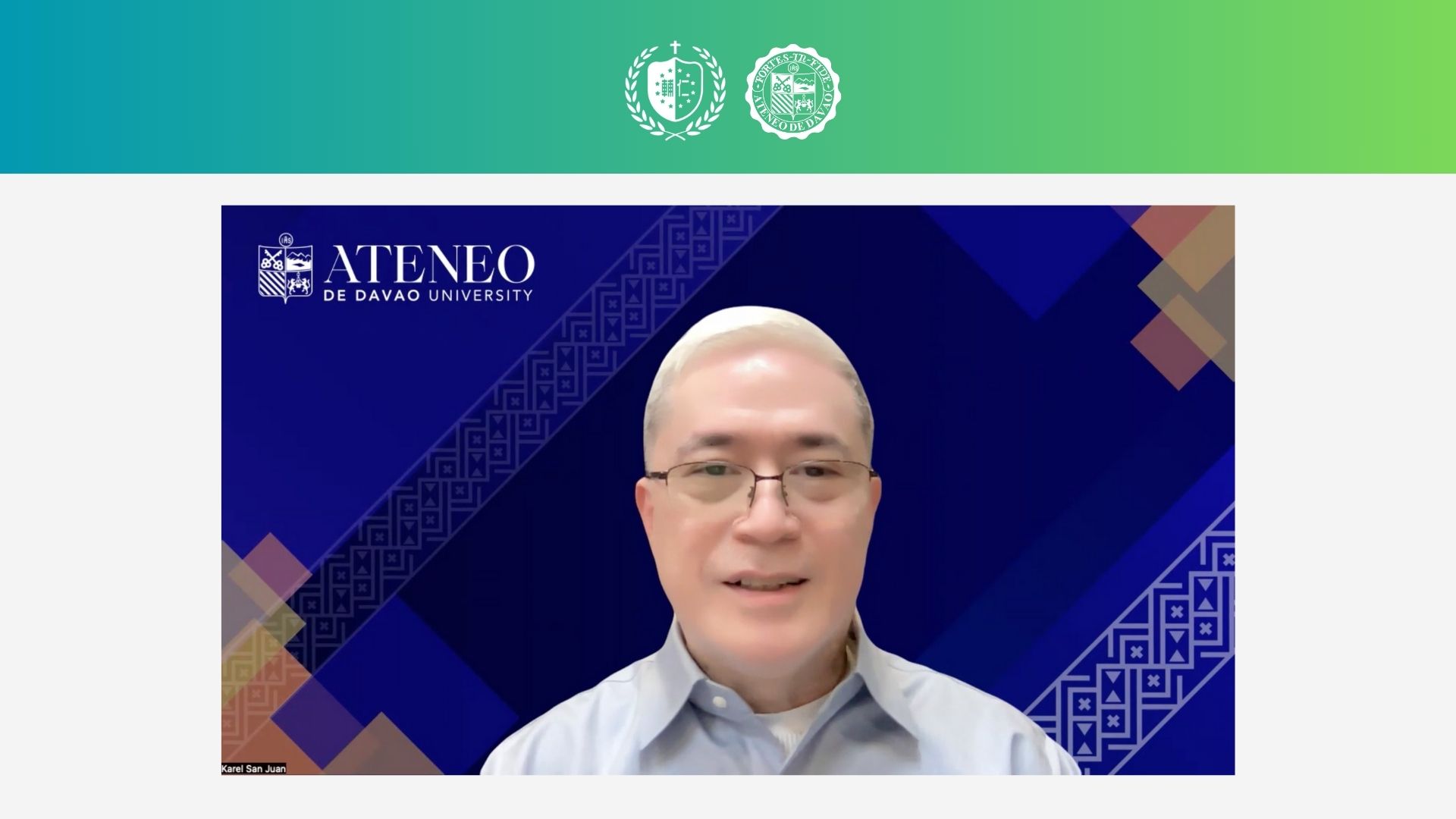
Opening Remarks by Fr. Karel S. San Juan, SJ, President of Ateneo de Davao University
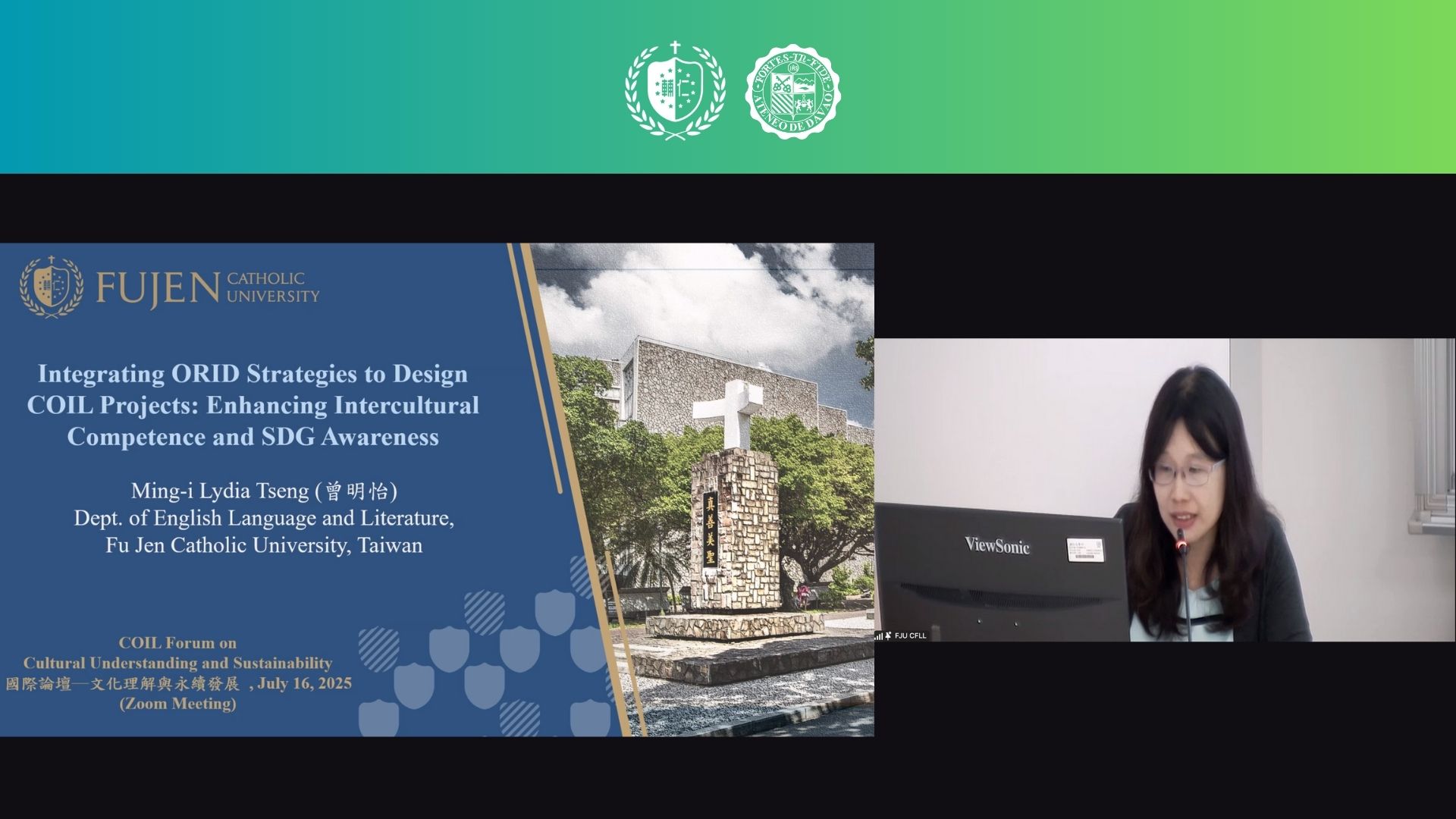
Speaker: Lydia Ming-yi Tseng, Associate Professor, Department of English, Fu Jen Catholic University
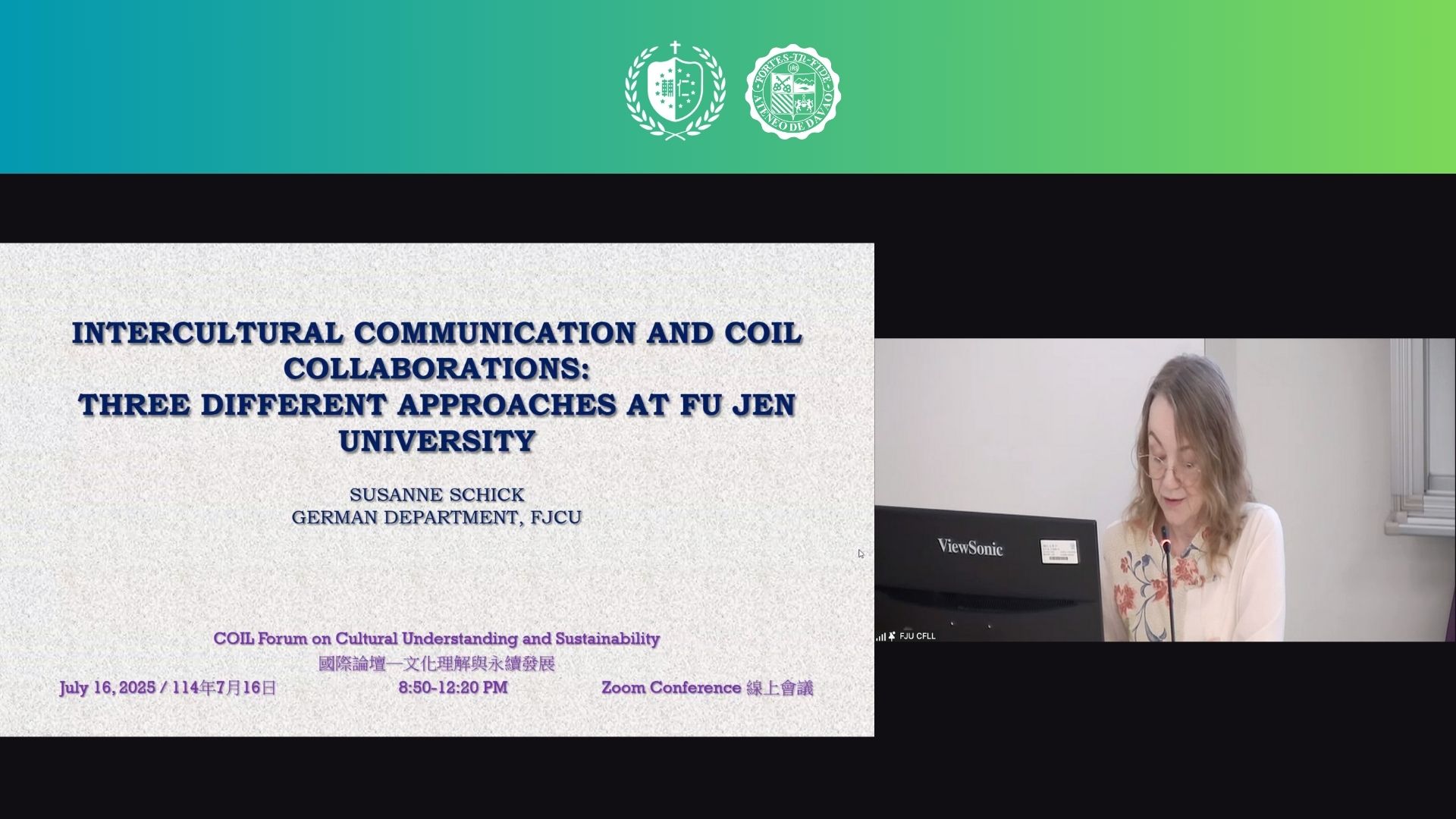
Speaker: Susanne Schick, Assistant Professor, Department of German Language and Literature, Fu Jen Catholic University
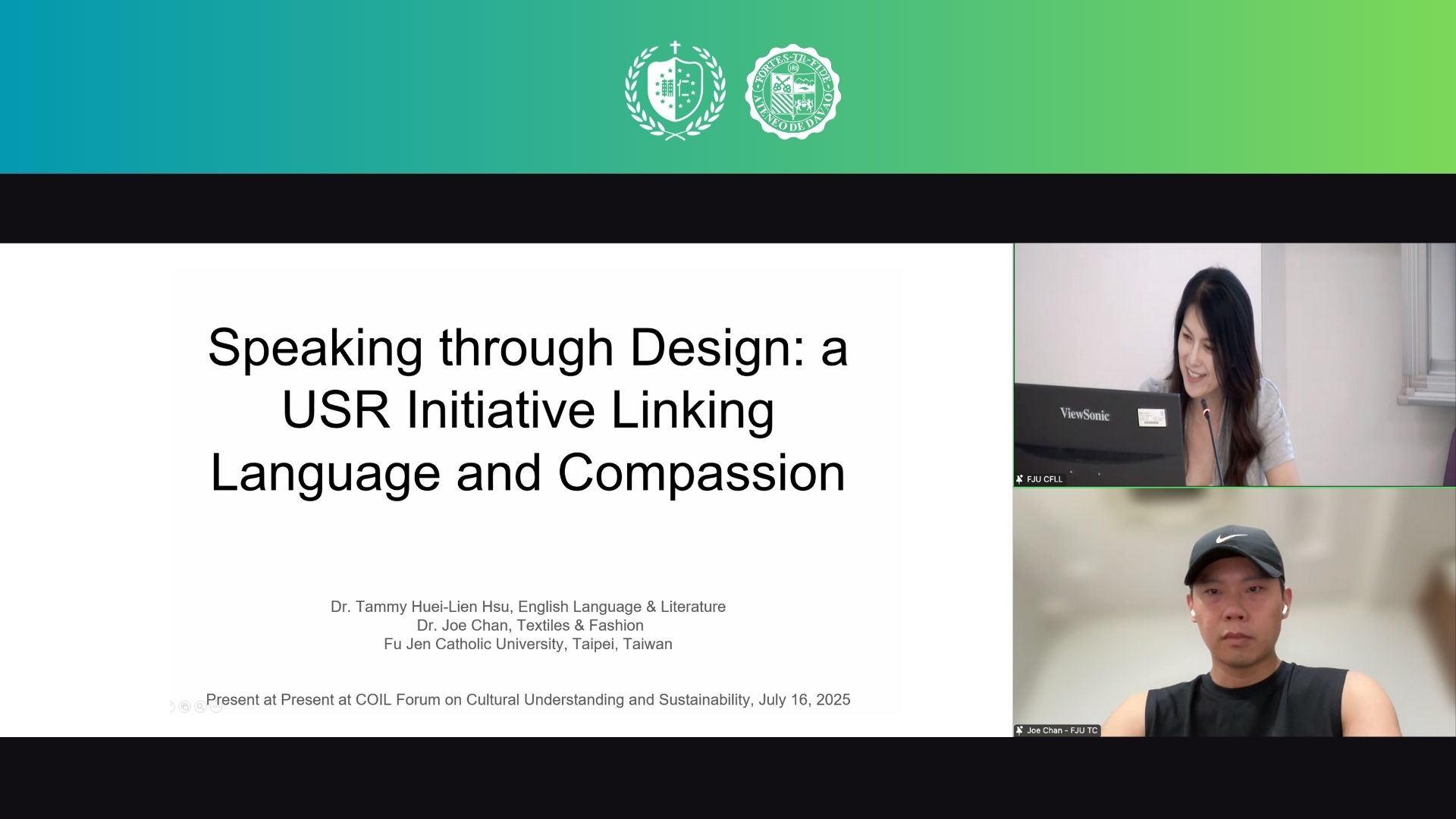
Speaker: Tammy Hui-lien Hsu, Associate Professor, Department of English, Fu Jen Catholic University
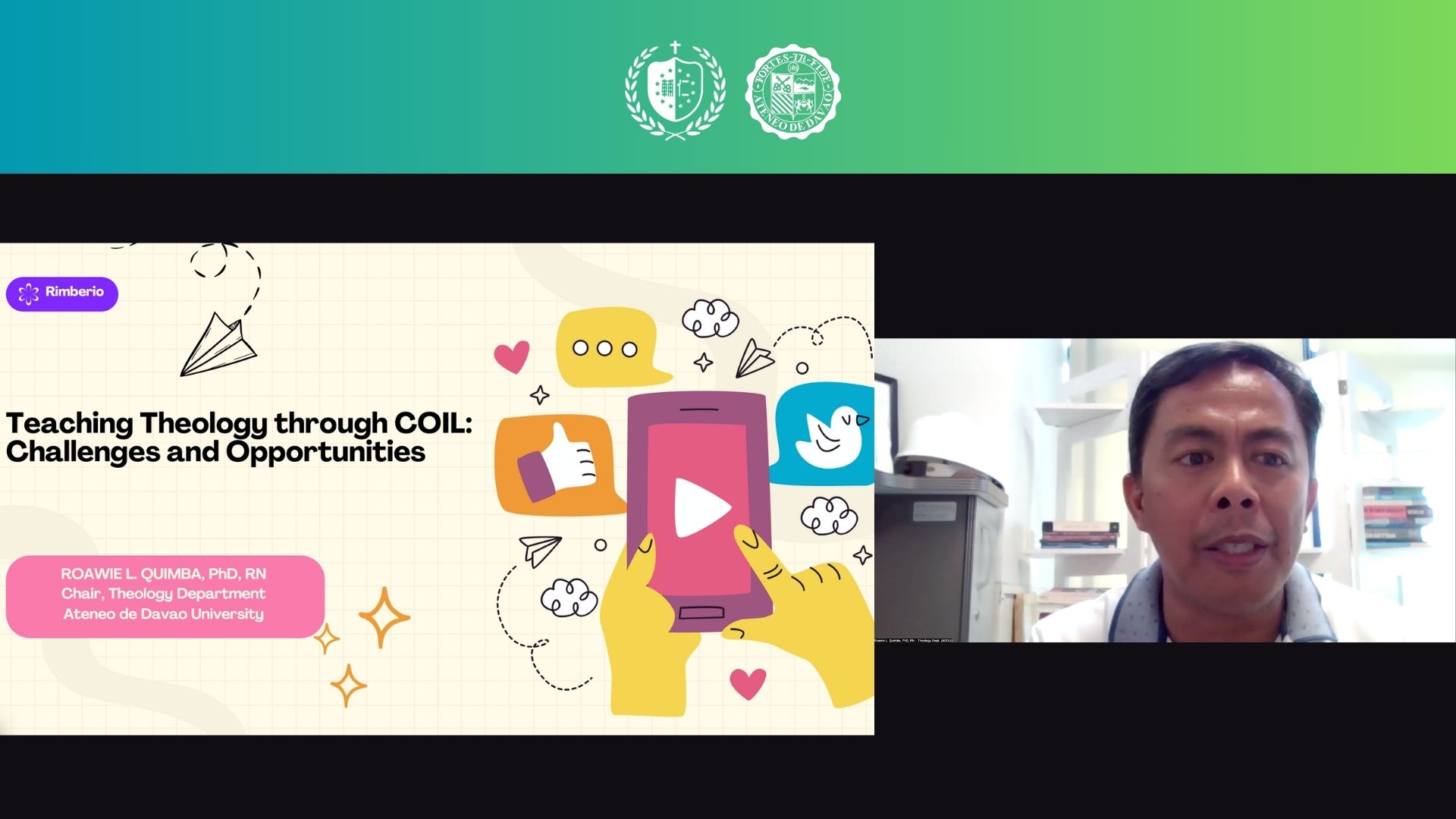
Speaker: Dr. Roawie L. Quimba (Chairperson, Theology Department, ADDU)
COIL 3: Showcasing Sustainable Shimizu Bags and Exploring the Infinite Possibilities of COIL through Breakout Sessions
Following the four insightful lectures, the College of Foreign Languages and Literatures held a lucky draw to thank and encourage online participants. The prizes echoed the forum's sustainability theme: linen tote bags designed through an international collaboration by faculty from the FJCU Department of Japanese. These bags promote the repurposing of traditional Japanese kimono obis (sashes) to create products that blend aesthetic beauty, cultural heritage, and sustainability.
After the lucky draw, participating educators joined faculty networking breakout sessions based on their teaching and research expertise for brainstorming and experience sharing. The topics covered intercultural communication, language teaching and news English, psychology and religion, research methods and sustainable development, and the integration of COIL with the SDGs. Through this interdisciplinary dialogue, participants explored effective ways to incorporate COIL principles into curriculum design and research, sparking new possibilities for innovative collaboration.
ADDU Official Facebook Post: https://www.facebook.com/share/p/1BqzeDBY17/?mibextid=wwXIfr